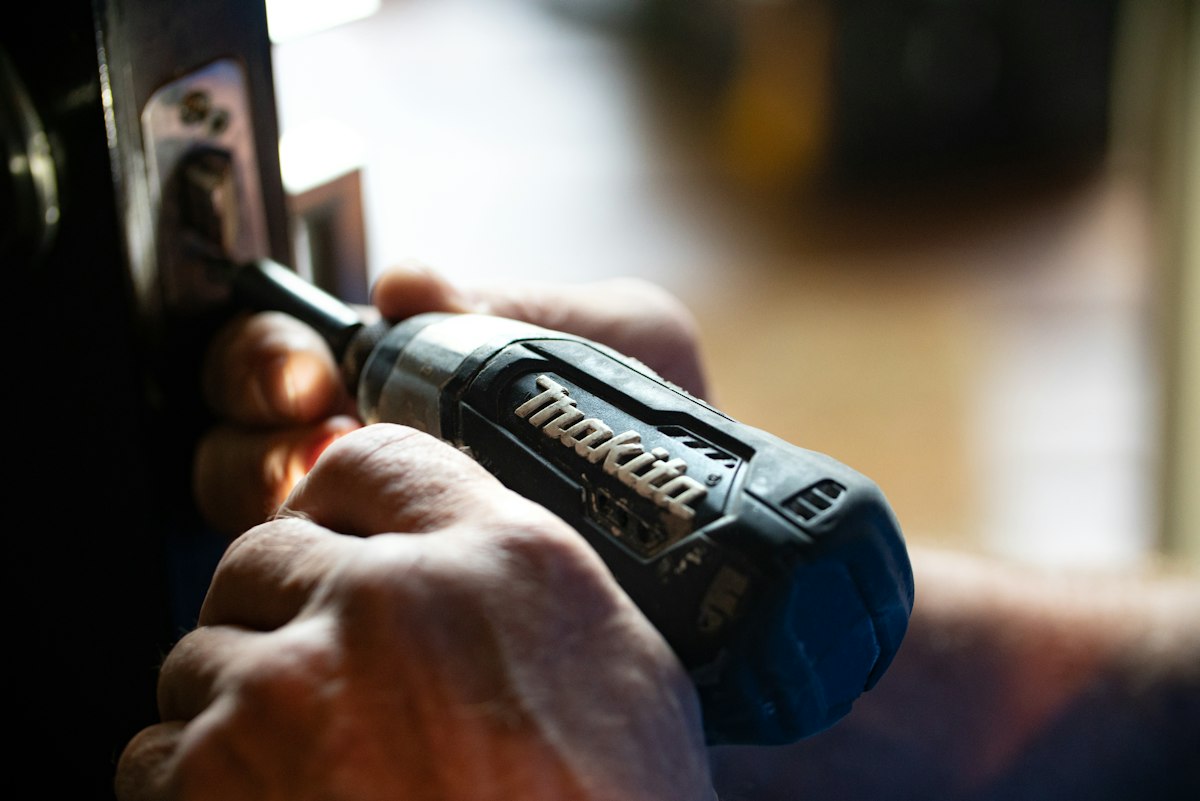
The call goes something like this: "I need someone to fix my bedroom door, put up some shelves, and maybe look at my kitchen cabinet hinge." Is that a carpenter's job? A handyman's? Most people book whoever answers first, or whoever their neighbour used last — and then wonder why the job didn't go as expected.
Here's a clear breakdown of who does what, so you book the right person the first time.
What a Carpenter Does
A carpenter is a specialist in working with wood and wood-based materials. Their domain includes:
- Custom furniture fabrication — wardrobes, beds, study tables built from scratch
- Modular kitchen installation and customisation
- Wooden flooring installation (hardwood or laminate)
- Door and window frame installation or replacement
- Structural woodwork — ceiling work, loft construction, staircase railings
- Repair of wooden furniture (broken joints, surface restoration)
- False ceiling (POP or gypsum board frames)
A good carpenter has specialised tools — table saws, routers, chisels, joiners — and understands wood grain, joinery techniques, and load-bearing requirements. For anything involving structural or custom wood construction, a carpenter is the right call.
What a Handyman Does
A handyman handles a broad range of smaller, non-specialised tasks across multiple trades. Think of them as the right person for tasks that are simple, don't require specialised tools, and don't need deep trade expertise:
- Hanging picture frames, mirrors, curtain rods
- Assembling flat-pack furniture (IKEA, Pepperfry, etc.)
- Fixing loose door hinges or handles
- Patching small holes in walls
- Replacing light fixtures or ceiling fans (basic electrical)
- Installing curtain tracks, TV mounts, and wall brackets
- Minor plumbing — replacing a faucet tap, fixing a running toilet
The handyman's value is breadth. They save you from booking three specialists for three small jobs. But for anything that requires precision, load-bearing judgment, or specialised tools, a trade specialist is the better choice.
When You're Likely to Book the Wrong One
Booking a handyman for custom furniture
Flat-pack assembly is a handyman job. Custom built-in wardrobes, however, require accurate measurement, proper joinery, and finishing work. A handyman without carpentry background will produce a result that looks fine for a month and then starts sagging, warping, or falling apart. For anything built on-site from raw materials, book a carpenter.
Booking a carpenter for small fixes
Many carpenters won't take on a ₹300 hinge fix. Their specialisation and pricing is oriented toward larger jobs. A handyman is faster, cheaper, and equally capable for minor repairs.
The overlap zone
Replacing a door that's warped or broken: carpenter. Tightening a door that's loose on its hinges: handyman. Repairing a broken cabinet hinge: handyman. Replacing a broken cabinet door that needs to match existing woodwork: carpenter. The line is roughly skill requirement and custom vs. standard work.
How to Decide Before You Book
Ask yourself two questions:
- Does the job require measuring and cutting raw materials to custom dimensions? → Carpenter
- Is it a standard fix or installation that doesn't require making or building anything? → Handyman
Both professionals are available through Working Class. When you describe the job during booking, our platform matches you with the right category — carpenter or handyman — based on what you actually need.
Frequently Asked Questions
Can I book a handyman to assemble modular kitchen cabinets from a store?
If the cabinets come pre-built and just need to be hung and secured, a handyman can usually handle it. If the installation involves cutting, drilling, and fitting custom pieces, or if the cabinets are being custom-made on-site, you need a carpenter.
My wooden wardrobe door is warped and won't close. Carpenter or handyman?
A slightly warped door where the hinge just needs adjustment: handyman. A significantly warped door that needs planing or replacement: carpenter. If you're unsure, describe the problem when booking and we'll recommend the right professional.
How much cheaper is a handyman than a carpenter?
For simple tasks, a handyman is typically 30–50% less expensive than a carpenter because the skill level and time required are lower. However, for tasks that genuinely require a carpenter's skill, booking a handyman often means doing the job twice.